
Published: July 28, 2026
As the cooler months settle in across NSW, many of us naturally spend more time indoors, move a little less, and reach for the doona rather than the walking shoes. While winter is a time for rest and recovery, the change in routine can quietly affect your spine, joints, and overall comfort.
How Winter Affects Your Body
When the temperature drops, our bodies tend to respond by tensing up. Muscles often tighten to conserve warmth, which can place extra load on the spine and surrounding joints. Combined with less daylight and a natural inclination to hibernate, many people notice their joints feeling stiffer or their usual aches becoming more noticeable during winter.
Reduced movement also means reduced circulation to the spinal discs and surrounding soft tissues. These structures rely on gentle, regular movement to stay hydrated and flexible—so long stretches of inactivity on the couch can leave you feeling less than your best.
Keep Moving, Even a Little
You don't need to run marathons in the cold to support your spine. Consistent, gentle movement is far more valuable than occasional intense exercise. Consider:
- A short morning stretch or mobility routine to ease overnight stiffness
- A midday walk to make the most of the winter sun and vitamin D
- Breaking up long sitting periods with a stand-up and stretch every 30–60 minutes
- Gentle yoga or Pilates to maintain core support for your spine
Warm Up Before You Move
Cold muscles are more prone to strain. Whether you're heading out for a winter hike, hitting the gym, or just doing chores around the house, taking five to ten minutes to warm up first helps prepare your muscles and joints. Simple movements like arm circles, gentle torso rotations, and a brisk walk can make a meaningful difference to how your body feels afterwards.
Mind Your Indoor Posture
Winter often means more time curled up on the couch with a laptop or phone. Just as with desk posture, the positions we hold longest tend to shape how we feel. Where you can, try to support your lower back, keep screens at a comfortable eye level, and alternate between sitting and standing. A blanket and good posture can comfortably coexist.
When to Seek Support
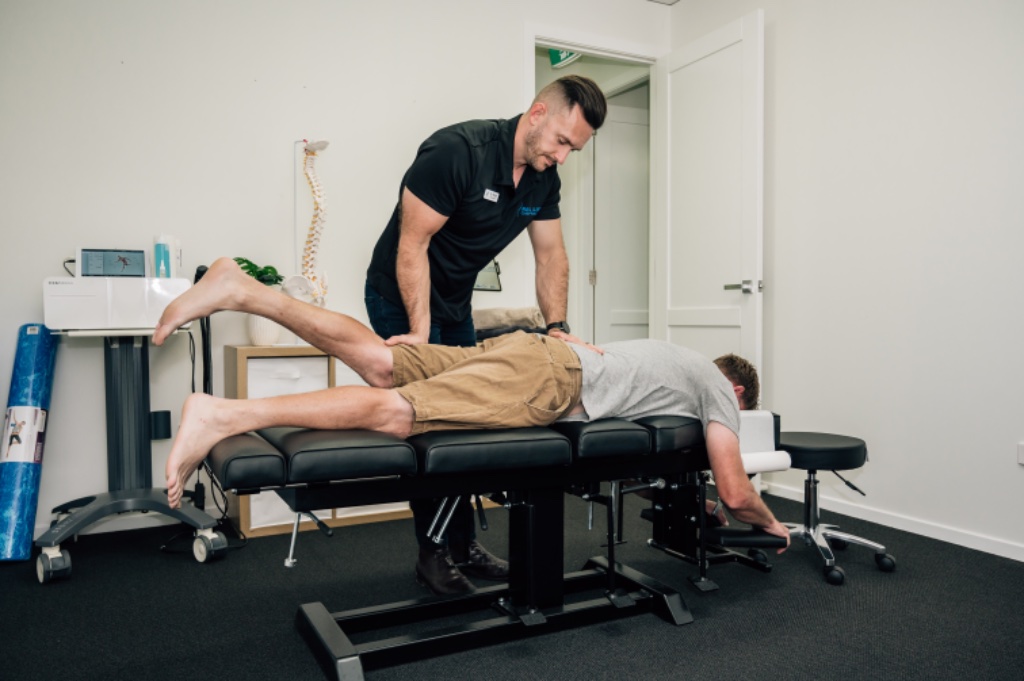
If winter stiffness is lingering longer than a few days, or you're noticing new aches that aren't easing with movement, it may be worth having a chiropractor assess what's going on. Early attention often means simpler, gentler care—and a more comfortable season ahead.
A Season to Care for Yourself
Winter is a natural time to slow down, but it's also a time to be intentional about looking after your body. Small, consistent habits—moving regularly, warming up, and paying attention to posture—can help you arrive at spring feeling supple, supported, and ready for the warmer months ahead.
This blog post is intended for general informational purposes only and should not be considered medical or professional advice. Always consult with a qualified healthcare provider regarding your specific health concerns or before making changes to your routine.