
Published: September 14, 2026
September is when gardens across NSW truly come alive. The soil is warming, new growth is everywhere, and many of us are keen to get our hands back into the garden after a quieter winter. It's a wonderful time of year — but it's also one of the most common times we see patients walk through our doors with sore backs, stiff necks, and tight shoulders.
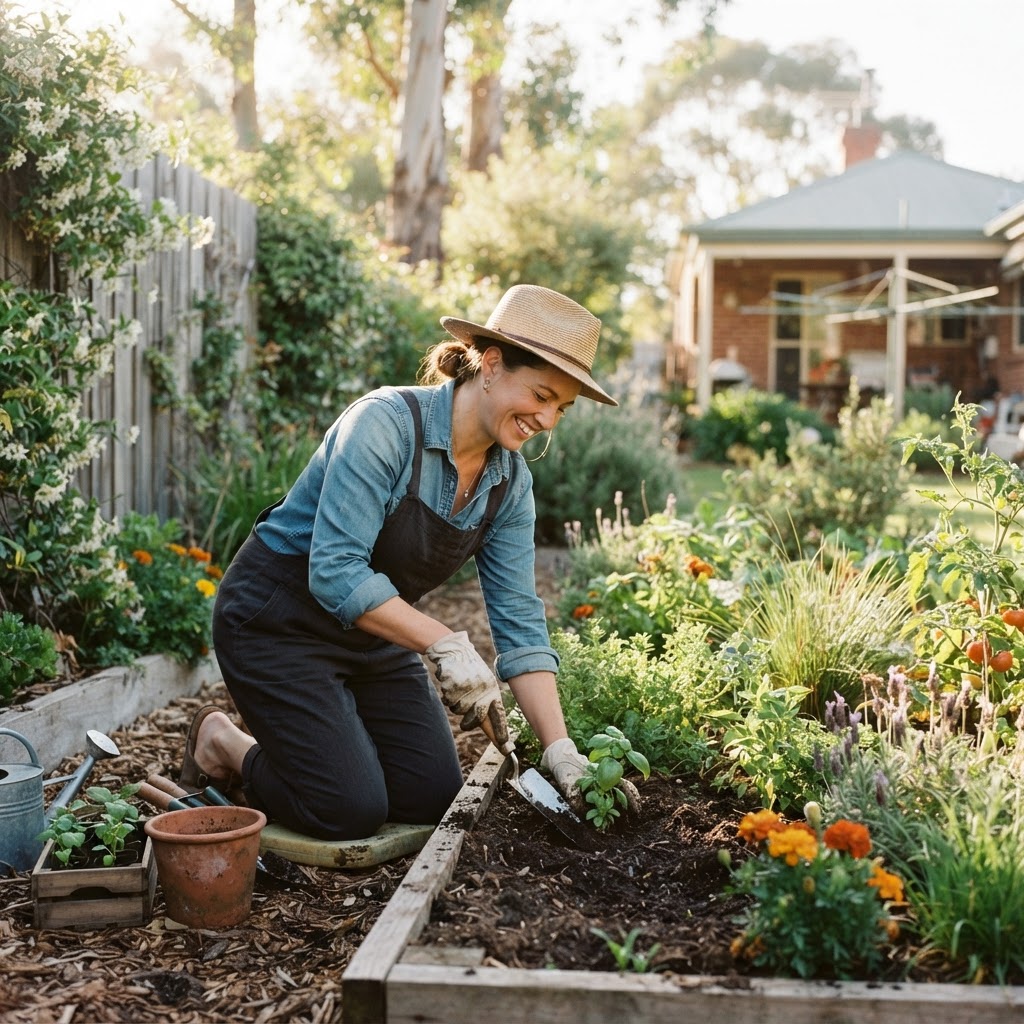
Why Gardening Can Be Tough on Your Spine
Gardening is surprisingly demanding. A few hours of bending, reaching, lifting, twisting, and kneeling can place sustained load through your lower back, neck, and shoulders — especially if your body has been a little less active over winter. The combination of repetitive movements and awkward postures is a recipe for strain when you're not conditioned to it.
The good news is that most gardening-related aches are entirely preventable with a few simple adjustments to how you go about it.
Warm Up Before You Dig In
It might feel odd to "warm up" for gardening, but your body treats a big garden session the same way it treats any other physical activity. Before you head outside, spend five minutes loosening up:
- Gentle marching on the spot to get your blood flowing
- A few slow backbends and side bends to mobilise your spine
- Shoulder rolls and arm circles to warm up the upper body
- A short walk around the yard to get moving before you start lifting
Kneel, Don't Bend
One of the most common causes of lower back pain in the garden is repeated bending from the waist. Whenever you can, kneel or squat close to your work rather than reaching forward from a standing position. A foam kneeling pad is a small investment that makes a big difference to your comfort over a long session.
If you need to reach, move closer to the plant rather than stretching. Your spine will always prefer a short, balanced reach over a long, strained one.
Lift Smart and Carry Less
Bags of soil, pots, and mulch add up quickly. When lifting, bend at the knees and hips rather than the waist, keep the load close to your body, and avoid twisting while carrying. Where possible, split heavy loads into smaller trips — your back will thank you for the extra few minutes.
A wheelbarrow or garden trolley is one of the best tools you can own for your spine. Let it do the carrying, not your lower back.
Change Tasks, Change Positions
Your body copes far better with variety than with repetition. Instead of spending three hours on one task, alternate between digging, planting, weeding, and lighter jobs every 20–30 minutes. This naturally changes your posture and gives overworked muscles a chance to recover.
Regular breaks aren't a sign of slacking — they're one of the best ways to stay comfortable in the garden all season long.
Keep Your Spine Supported With Regular Care
Just as your garden benefits from regular attention, so does your spine. Consistent chiropractic care helps maintain proper movement and alignment in your spine and joints, making it easier for your body to handle the physical demands of gardening — and recover well afterwards.
Many of our patients find that keeping up with care through spring helps them stay on top of the niggles that can otherwise build up over a busy season in the garden.
Listen to Your Body
Some general muscle tiredness after a day in the garden is normal, but sharp, persistent, or unusual pain is not. If something doesn't feel right, ease back and consider having it assessed. Early attention often means simpler, gentler care — and a lot more enjoyable spring in the garden.
Enjoy the Season
Gardening is one of life's simple pleasures, and a little preparation means you can enjoy it without paying for it the next day. By warming up, minding your posture, lifting smart, and keeping your spine supported with regular care, you can make this spring your most comfortable gardening season yet.
This blog post is intended for general informational purposes only and should not be considered medical or professional advice. Always consult with a qualified healthcare provider regarding your specific health concerns or before making changes to your routine.