
Published: June 24, 2026
In today's digital workplace, many people spend a significant portion of their day seated at desks while working on computers. This modern work pattern has brought with it a range of considerations for spinal health and comfort.
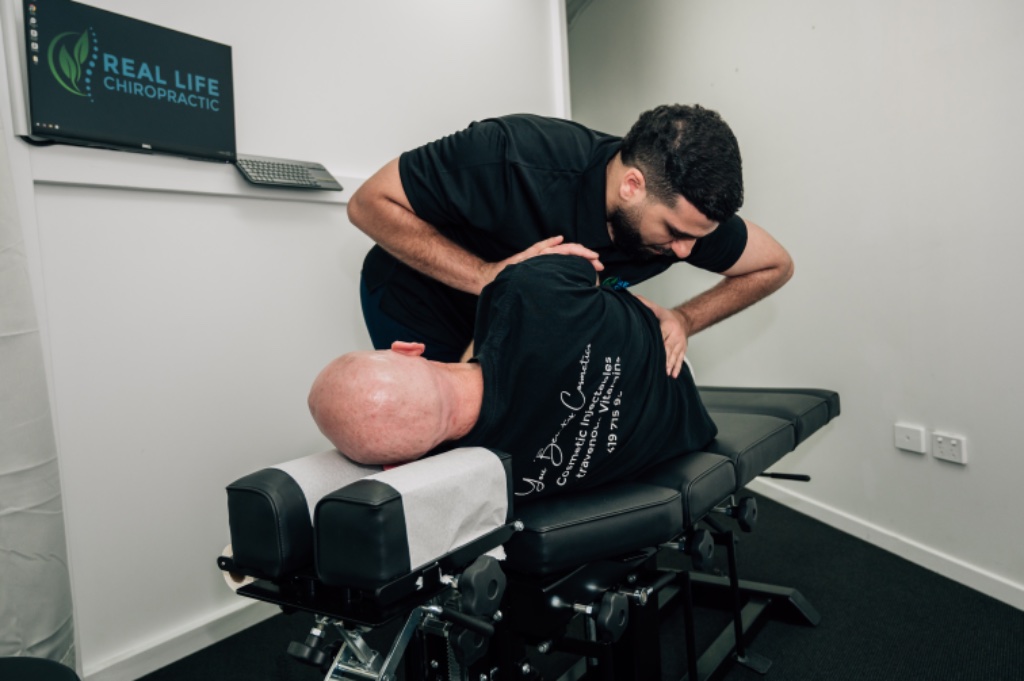
The Impact of Extended Sitting
When we sit for extended periods, our spine experiences different forces and pressures compared to when we're moving. The intervertebral discs—the cushioning structures between the vertebrae—bear the body's weight continuously during sitting. Over time, maintaining the same position can lead to postural fatigue and discomfort in areas such as the lower back, neck, and shoulders.
What Constitutes Good Desk Posture?
Good postural habits at a desk typically involve:
- Keeping your monitor at eye level to reduce neck strain
- Maintaining your feet flat on the floor or footrest
- Keeping your arms supported and elbows at a comfortable angle
- Supporting the natural curve of your lower back
- Ensuring your chair height allows for proper alignment
The Importance of Movement
Perhaps equally important as posture itself is the regular incorporation of movement breaks throughout the day. Even small movements—such as standing, stretching, or walking—can help reduce the cumulative stress on spinal tissues. Many experts suggest taking a brief break every 30 to 60 minutes to change position and encourage circulation.
When to Seek Professional Support
If you're experiencing persistent discomfort, pain, or postural concerns related to your work environment, consulting with a qualified healthcare practitioner—such as a chiropractor—can be beneficial. They can assess your individual situation, provide guidance on ergonomic adjustments, and discuss care options tailored to your needs.
Taking Action
Being mindful of your posture and making conscious efforts to move regularly throughout the day are practical steps you can take to support your spinal health. Small adjustments to your workspace setup and daily habits can have a meaningful impact on your comfort and overall wellbeing.
This blog post is intended for general informational purposes only and should not be considered medical or professional advice. Always consult with a qualified healthcare provider regarding your specific health concerns or before making changes to your routine.